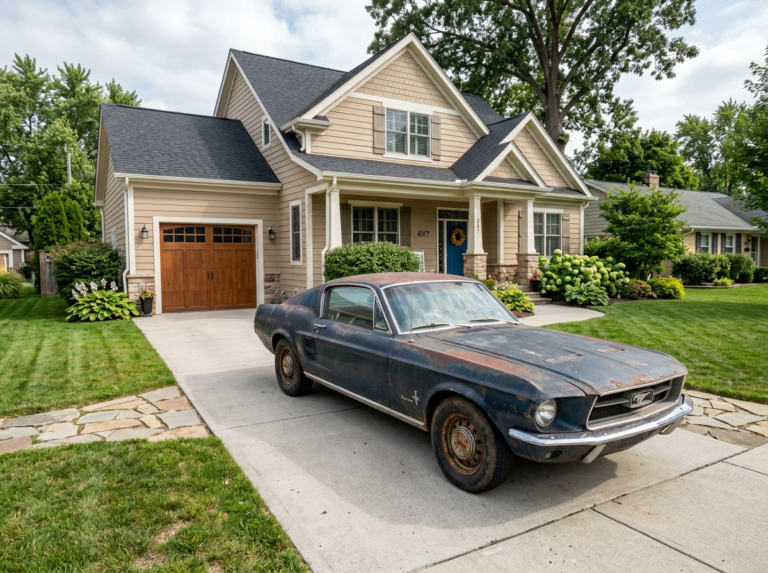
Why a Junk Car on Your Property Can Cost You More Than You Think
An old car can drain money even when it never leaves the driveway. For Houston property owners, a junk car can bring fines, waste storage space, invite repair bills, and lose value month after month.
That slow leak is what makes it expensive. The car may look harmless sitting still, but the costs keep moving, so it helps to know where the money goes.
What makes a car a junk car in the first place?
A vehicle usually falls into the junk category when it no longer works as a normal, legal car. It may be wrecked, dismantled, abandoned, or too damaged to drive. In Houston, missing current plates or registration can also push a vehicle into trouble.
Signs your vehicle may already be considered junk
If the engine won’t start, the tires stay flat, or key parts are missing, the car may already fit that label. Heavy body damage, broken windows, stripped interiors, and long-term parking also raise red flags.
Looks matter, but function matters more. A car can appear decent and still count as junk if it can’t be driven safely or legally.
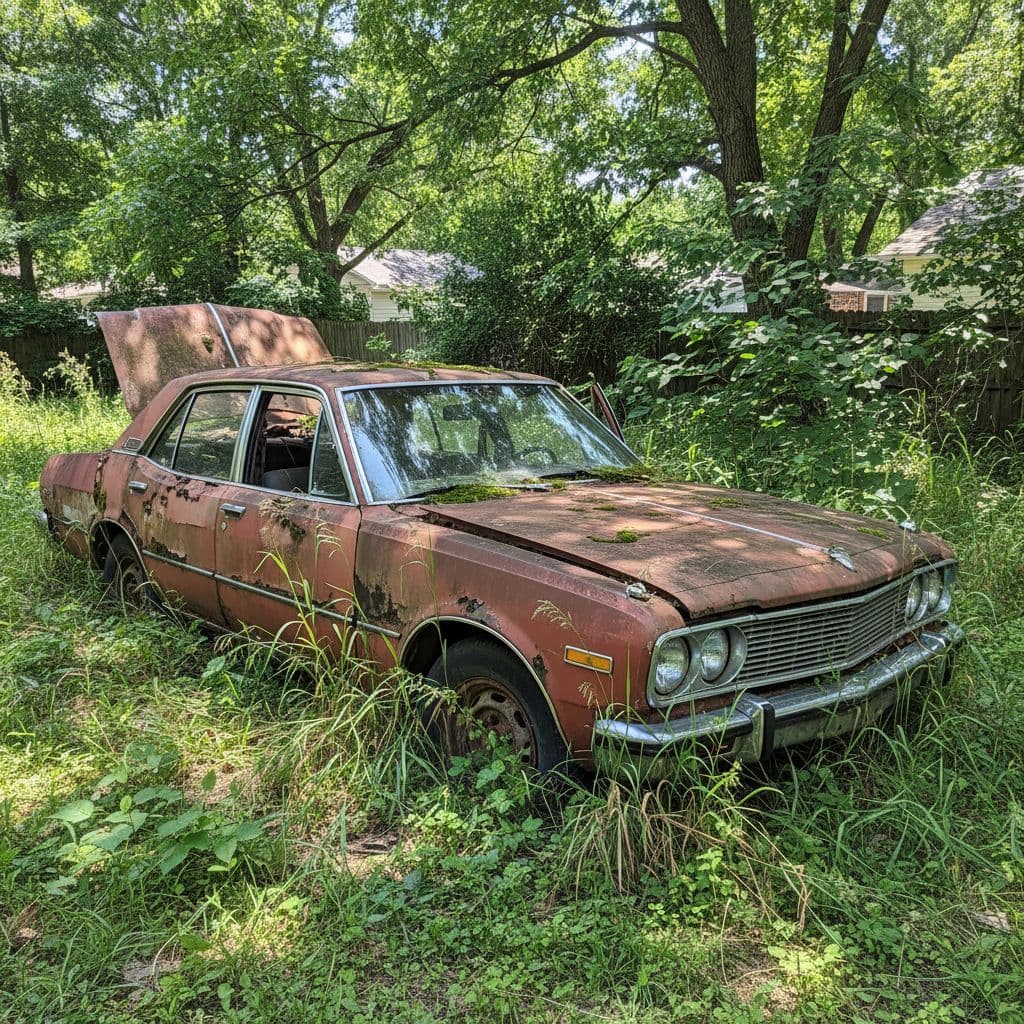
Why a car can still count as junk even on private property
Many owners assume private property gives them full protection. In Houston, that isn’t always true. If an inoperative, wrecked, or dismantled vehicle is visible from a street, a right-of-way, or nearby property, the city may treat it as a public nuisance.
So ownership alone doesn’t settle the issue. If the car can be seen and it isn’t legal for normal use, it may still bring notices and enforcement.
The hidden ways a junk car costs you money every month
Most people don’t get hit with one huge bill. Instead, the car creates smaller costs that pile up over time.
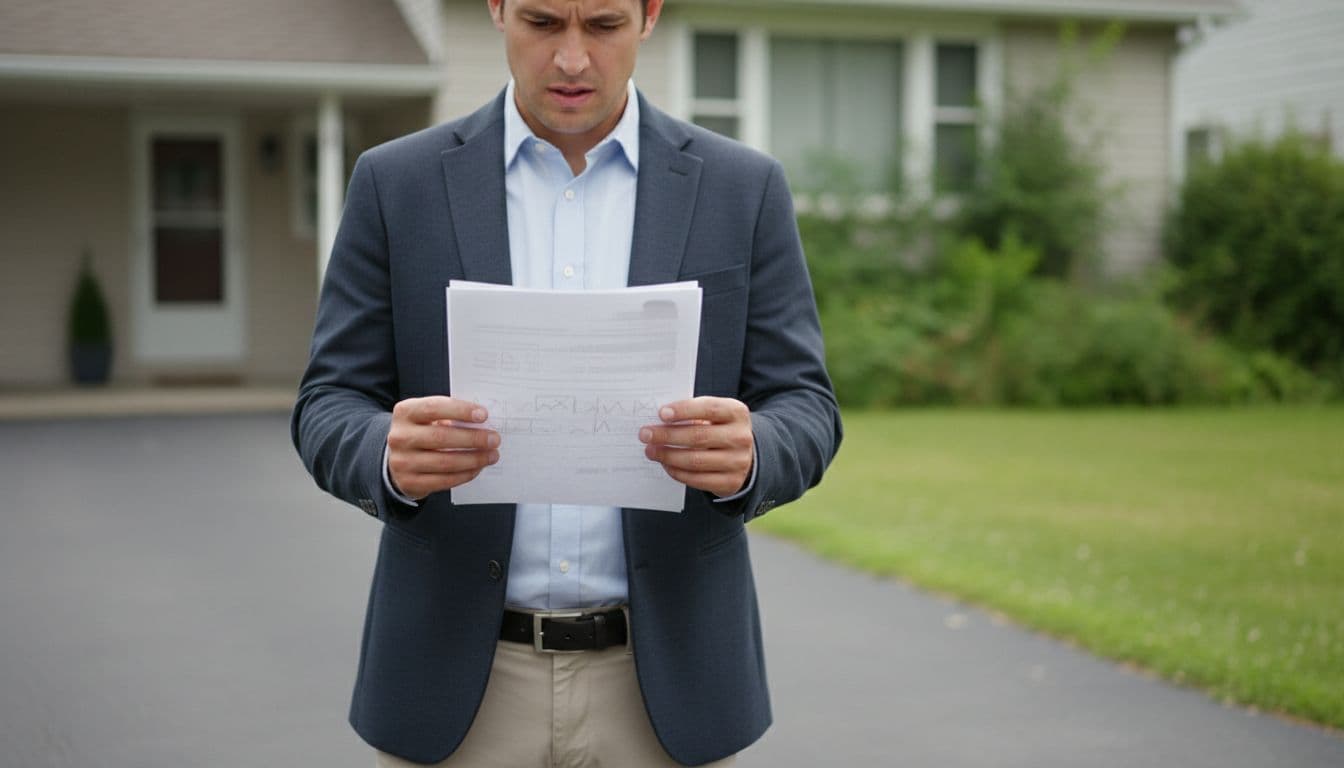
Fines, citations, and city cleanup costs
If the city flags the vehicle, you may get a notice to remove or fix the problem. Ignore it, and the costs can jump fast. Abatement, towing, storage, and disposal fees may land on the property owner, not the car.
Insurance and registration costs for a car you do not use
Some owners keep paying insurance out of habit. Others renew tags on a car that hasn’t moved in months. Those payments feel small, yet they add up when the vehicle no longer gives anything back.
Repairs that keep adding up without fixing the real problem
A battery today, a tow next month, then a starter, tires, or diagnostics after that. Many people keep feeding money into a car because they hope the next repair will save it. Sometimes the running total gets bigger than the car’s resale value.
Property value, curb appeal, and neighbor complaints
An unused car also takes a toll on the property itself. It makes a yard or driveway look neglected, which can hurt resale appeal. In addition, neighbors may complain, and those complaints often bring inspections or warning letters.
How Houston rules can make a junk car an even bigger expense
Houston takes junk vehicles seriously. If a car is inoperative, wrecked, or dismantled, and it is visible or lacks valid plates or registration, keeping it can get expensive fast.
When a visible junk vehicle becomes a public nuisance
The city can treat a visible junk vehicle as a nuisance, even when it sits on private land. Visibility matters. If people can see it from public property, a right-of-way, or neighboring property, that exposure can trigger action.
Separate abandoned-vehicle rules can add more risk. For example, a vehicle left on public property for more than 48 hours may be treated as abandoned, and a car on private property without consent can also be towed.
How abatement and towing can turn a small problem into a big bill
The process often starts with a notice and a deadline. If the owner does nothing, the city can step in, remove the vehicle, and charge for the work. Towing is one fee, but storage can keep growing while the car sits in a lot.
That is why delay gets expensive. A problem that starts with a parked car can end with several separate charges.
Ways to keep a vehicle legal while it is not in use
Houston owners do have options. A non-running vehicle is safer, legally speaking, when it is fully enclosed in a garage or screened from public view and neighboring property. In some cases, active repair work may help, but the vehicle still can’t create urban blight or a fire hazard.
If the car can’t meet those basic limits, keeping it usually costs more than it saves.
When selling or scrapping the car makes more sense than keeping it
At some point, the math changes. The car stops being a project and starts being a monthly expense.
Questions to ask before you decide to hold on to it
A few simple questions can make the choice clearer:
- Does it run, and can you register it now?
- Will repairs cost more than the car is worth?
- Is it stored legally under Houston rules?
- Could that space be used for something better?
Why a cash-for-cars sale can stop the costs fast
Selling to a local cash-for-cars buyer like Eagle Cash for Carz can end the problem in one step. You stop paying for space, failed repairs, and possible fines. In many cases, the buyer also handles towing, which means you don’t pay out of pocket to remove the car first.
A junk car isn’t free because it sits still. It can chip away at your money through fees, city action, repair costs, insurance, and lost space.
For Houston owners, waiting often makes the bill larger. If the car hasn’t run in a long time and can’t be stored legally, dealing with it sooner is usually the cheaper move.
Get a free quote on how much your junk car is worth!